
In fifth grade I memorized the capitals of all fifty states. It took a while, and I got 100% on the test. To my knowledge that information has not helped me one single time since fifth grade. Fortunately I have Google today and any time I need to know some tidbit of trivia (sorry South Dakota) it takes about two seconds.
But how do I find the answers to more difficult questions? I am talking about the kinds of questions I am more likely to get.
Who is this?
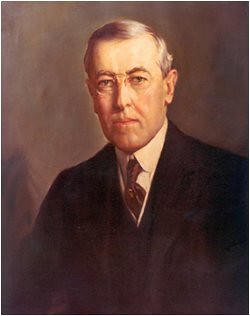
I put together a search activity for my class. How many of these can you find?
How many can you find in two seconds?
What is the significance of this formula?

It looks like a circle with a line across the top and the bottom. What is the significance of the logo on the green shirt of the guy standing on the left side of this picture?

What is this substance?

The picture below is a movie poster. According to the poster, what is the main topic of the movie?

What is the name of this painting?

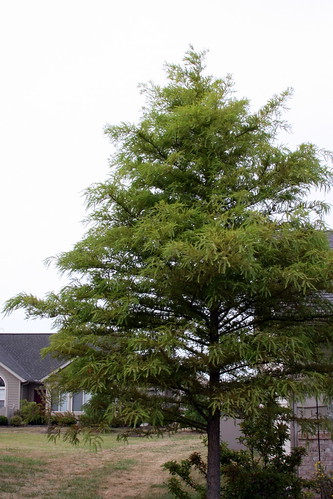
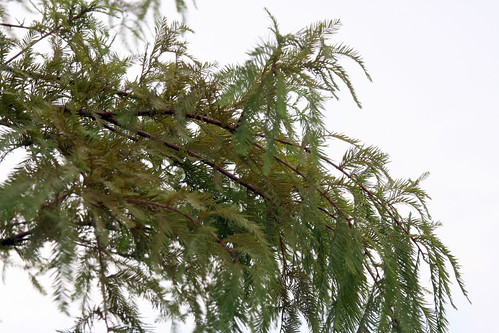
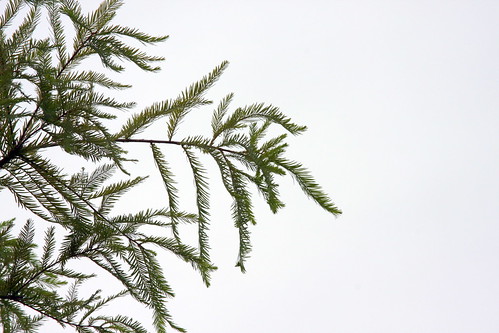
The pictures below are of the same tree. What kind of tree is it?
3 Responses to What’s the capital of South Dakota?